How Environmental Conditions Affect Ceramic Coating Durability
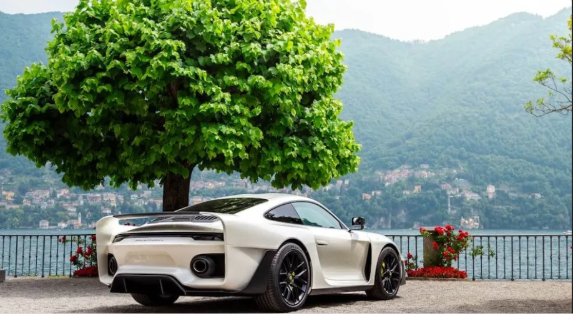
Your car’s paint faces daily challenges, from intense sunlight and dust to rain, bird droppings, and road grime. Over time, these environmental factors can affect your vehicle’s appearance and make regular maintenance more demanding. This is one reason many car owners consider ceramic coating as a long-term paint protection solution.
For drivers looking for Ceramic Coating in Vista, understanding how the local environment affects coating performance can help you protect your vehicle and get the most value from your investment.
Ceramic coating creates a protective layer over your vehicle’s paint that helps repel water, improves surface gloss, and makes routine cleaning easier. However, it is not completely resistant to environmental damage. Its durability depends on several factors, including weather conditions, product quality, surface preparation, application technique, and ongoing maintenance.
Let’s explore how different environmental conditions affect ceramic coating and what you can do to keep your car looking its best.
1. Intense Sunlight and UV Exposure
Sunlight is one of the most common environmental challenges for vehicles in Southern California. Prolonged exposure to ultraviolet (UV) radiation and heat can contribute to paint oxidation, fading, and deterioration of exterior materials.
A quality ceramic coating can help protect the underlying paint from certain environmental effects, including UV-related deterioration. However, the level of protection depends on the specific product, and ceramic coating should not be considered a complete shield against sunlight.
High surface temperatures can also make it more difficult to wash your vehicle safely because water and cleaning products may dry too quickly, leaving mineral deposits or streaks behind.
How to protect your ceramic coating:
- Park in a garage or shaded area whenever possible.
- Wash your vehicle regularly to remove accumulated dust and contaminants.
- Use automotive cleaning products recommended for ceramic-coated vehicles.
- Follow the manufacturer’s maintenance recommendations.
If you are considering ceramic coating in Vista, professional application and proper aftercare can help maintain your vehicle’s finish despite regular sun exposure.
2. Heat and Temperature Fluctuations
Temperature affects both ceramic coating application and long-term performance. During installation, excessive heat can cause the coating to flash or cure too quickly, potentially creating high spots, streaks, or an uneven finish.
After application, extreme surface temperatures can accelerate the drying of water and cleaning solutions. This increases the likelihood of water spots and residue if the vehicle is not washed correctly.
Although many professional ceramic coatings are designed to withstand normal outdoor temperature changes, no coating is immune to every environmental stressor.
What can you do?
Wash your car during cooler parts of the day, such as early morning or late afternoon. Avoid applying cleaning chemicals to hot paint, and allow the coating to cure according to the installer’s instructions before exposing the vehicle to water or harsh conditions.
A professional installer can also select suitable application conditions to help the coating bond properly with the paint.
3. Rain, Moisture, and Humidity
Rain may appear harmless, but rainwater can collect airborne pollutants, dust, and other contaminants as it falls. When the water evaporates, it can leave deposits on your vehicle’s surface.
Humidity also matters during ceramic coating installation. Depending on the product and application environment, high humidity can affect curing time and application behavior.
Ceramic coatings are known for their hydrophobic properties, meaning water tends to bead up or move more easily across the surface. This can make cleaning more convenient, but it does not mean rainwater will always wash away dirt or leave the paint spotless.
Ways to reduce moisture-related damage:
- Remove heavy dirt and contaminants before washing.
- Dry the vehicle with a clean, soft microfiber towel when appropriate.
- Avoid leaving mineral-rich water to evaporate on the paint.
- Arrange periodic inspections if you notice reduced water repellency or persistent spotting.
Drivers investing in professional ceramic coating in Vista can benefit from understanding that hydrophobic performance depends on both coating condition and surface cleanliness.
4. Dust, Pollen, and Airborne Contaminants
Dust and pollen can accumulate quickly on a parked vehicle, particularly when it is left outdoors. Although ceramic coating can make these contaminants easier to remove, it does not prevent them from settling on the surface.
Industrial fallout, airborne particles, and other environmental pollutants can also bond to the paint over time. If these contaminants are removed improperly, they may cause fine scratches or dull the finish.
Wiping a dusty vehicle with a dry cloth is particularly risky because loose particles can be dragged across the paint.
Keep your vehicle cleaner by following these practices:
- Rinse the vehicle before touching the paint during a wash.
- Use a pH-appropriate automotive shampoo that is compatible with your coating.
- Wash with clean microfiber mitts and suitable drying towels.
- Avoid abrasive brushes and automatic car washes that may damage the finish.
Regular, careful washing helps preserve the smooth appearance of a ceramic-coated vehicle and reduces the accumulation of contaminants that can interfere with its water-repellent behavior.
5. Bird Droppings, Tree Sap, and Insect Residue
Environmental contaminants such as bird droppings, tree sap, and insect remains can be especially challenging because some contain acidic or chemically aggressive substances.
When left on paint for extended periods, these contaminants may etch or stain the finish, particularly under hot conditions. Ceramic coating can provide an additional protective layer, but it cannot guarantee that the paint will remain unaffected.
The longer a contaminant stays on the surface, the greater the potential for damage.
The best approach is prompt and gentle removal.
- Remove bird droppings and insect residue as soon as practical.
- Soften stubborn deposits with a suitable automotive cleaner rather than scraping them off.
- Use clean microfiber materials to avoid scratching the surface.
- Follow the coating manufacturer’s cleaning recommendations.
If you frequently park under trees or outdoors, regular inspections and timely cleaning can make a meaningful difference in maintaining your vehicle’s appearance.
6. Coastal Air and Road Contaminants
Although Vista is inland, drivers may travel to nearby coastal communities where salty air and moisture can contribute to corrosion on exposed metal components. Road salt, where used, and other road contaminants can also accumulate on a vehicle.
Ceramic coating can help protect compatible painted surfaces and make certain contaminants easier to clean. However, it is not a substitute for corrosion protection on exposed metal, underbody components, or damaged paint.
For vehicles regularly exposed to coastal conditions, routine washing is particularly important.
Consider these maintenance steps:
- Clean the vehicle after extended exposure to salty air or contaminated roads.
- Pay attention to wheel wells, lower body panels, and other areas where grime accumulates.
- Inspect paint chips and scratches because coating cannot protect exposed metal from every form of corrosion.
- Use appropriate underbody cleaning and protection where necessary.
Choosing professional ceramic coating in Vista can be a useful part of an overall vehicle-care routine, especially when combined with proper washing and inspections.
7. Hard Water and Mineral Deposits
Water quality is another factor that affects the appearance of ceramic-coated paint. Hard water contains dissolved minerals that can remain behind when droplets evaporate.
These deposits may create visible water spots, reduce surface clarity, and become increasingly difficult to remove if they are left untreated. In some cases, prolonged exposure can lead to etching that affects the coating or the underlying paint.
Even a vehicle with a high-quality ceramic coating can develop water spots if it is repeatedly exposed to mineral-rich water.
To reduce water-spot formation:
- Avoid washing your car in direct sunlight.
- Use filtered or demineralized water when available.
- Dry the vehicle promptly with clean microfiber towels.
- Use a coating-safe water-spot remover when necessary.
If deposits persist, consult a detailing professional before using aggressive chemicals or abrasive polishing methods. Incorrect removal techniques can compromise the coating and potentially damage the paint.
8. How Proper Maintenance Extends Ceramic Coating Durability
Environmental conditions are only part of the equation. Your maintenance habits also influence how well a ceramic coating performs over time.
Even when a coating remains intact, accumulated dirt, mineral deposits, and traffic film can reduce its visible hydrophobic effect. This may make the surface appear less protected than it actually is.
A consistent maintenance routine helps remove these contaminants before they build up.
Here are a few practical habits to follow:
- Wash regularly: Adjust your washing schedule based on driving conditions, parking habits, and visible dirt.
- Use compatible products: Choose automotive shampoos and maintenance products recommended for your coating.
- Avoid harsh cleaning methods: Aggressive chemicals, abrasive pads, and improper polishing can shorten coating life.
- Inspect the finish: Look for persistent water spots, staining, roughness, or uneven water behavior.
- Schedule professional maintenance when needed: A detailer can assess whether the coating needs decontamination, maintenance treatment, or more extensive correction.
Remember that ceramic coating longevity varies by product, preparation, installation quality, environmental exposure, and care. A coating advertised to last several years may require regular maintenance to achieve its expected service life.
Is Ceramic Coating Worth It for Drivers in Vista?
For many vehicle owners, ceramic coating is a worthwhile investment because it enhances gloss, improves water repellency, and makes routine cleaning easier. It can also provide a degree of protection against certain environmental contaminants.
However, it is important to have realistic expectations. Ceramic coating does not make your vehicle scratch-proof, eliminate the need for washing, or guarantee protection against every stain and chemical exposure.
Before choosing a service, ask about paint preparation, coating specifications, expected durability, curing requirements, warranty coverage, and recommended maintenance.
A professional assessment can help determine whether your vehicle needs paint correction before the coating is applied. This is especially important if the paint already has swirl marks, oxidation, or visible imperfections, since ceramic coating generally preserves the condition of the surface beneath it rather than correcting existing damage.
Protect Your Vehicle With Professional Ceramic Coating in Vista
Your vehicle is exposed to environmental conditions every day, but the right protection and maintenance routine can help preserve its appearance for longer. From strong sunlight and airborne dust to water spots and stubborn contaminants, understanding these challenges allows you to make better decisions about caring for your car.
If you want to enhance your vehicle’s gloss, simplify routine cleaning, and add a protective layer to its paint, professional Ceramic Coating in Vista may be the right solution.
Ready to give your car lasting shine and added paint protection? Contact a trusted local auto detailing professional to discuss your vehicle’s condition, explore ceramic coating options, and choose a package that fits your needs. Schedule your consultation today and take the next step toward keeping your car looking clean, glossy, and well-maintained.